

Shoulder and Ankle Arthroscopy
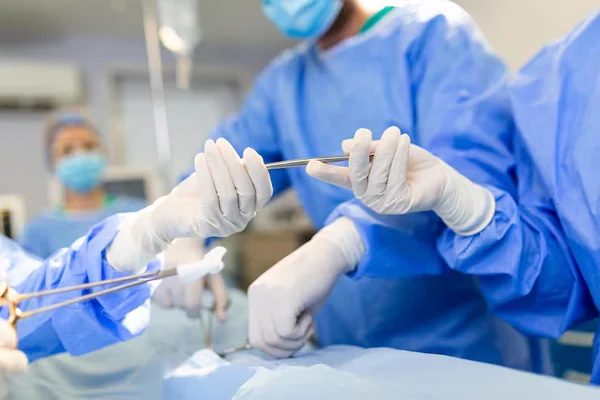
Shoulder and Ankle Arthroscopy in Faridabad
Shoulder and ankle arthroscopy are minimally invasive surgical procedures used to diagnose and treat a variety of joint conditions through small incisions. Using a specialized camera and precision instruments, arthroscopic surgery allows the surgeon to examine and treat damaged tissues while minimizing disruption to surrounding structures.
Dr. Ananya Sharma provides arthroscopic treatment for selected shoulder and ankle conditions in Faridabad, including rotator cuff injuries, labral tears, shoulder instability, ankle impingement, osteochondral lesions and ligament injuries. Treatment is planned according to the patient's symptoms, imaging findings, activity requirements and overall joint condition.
What Is Shoulder and Ankle Arthroscopy?
Arthroscopy involves inserting a small camera, called an arthroscope, into the affected joint. The camera provides magnified images of the internal structures on a monitor, helping the surgeon identify damaged cartilage, ligaments, tendons, synovial tissue and other abnormalities.
Small surgical instruments can then be introduced through additional portals to perform the required procedure. Arthroscopic treatment may provide smaller incisions and a structured recovery compared with certain traditional open procedures.
However, not every joint condition requires arthroscopy. A detailed clinical examination and appropriate imaging are important for determining the most suitable treatment.
Rotator Cuff Repair
The rotator cuff consists of a group of tendons that help stabilize the shoulder and enable movements such as lifting and rotating the arm. Rotator cuff tears can occur because of sports injuries, falls, repetitive overhead activity or age-related tendon degeneration.
Arthroscopic rotator cuff repair involves reattaching the torn tendon to the bone using specialized fixation techniques.
Primary Rotator Cuff Repair
Primary repair is performed when a repairable rotator cuff tear is identified and the tendon and surrounding tissues are suitable for reconstruction. The procedure aims to restore tendon attachment and improve shoulder strength and function.
Revision Rotator Cuff Repair
A rotator cuff tear may occasionally recur after previous surgery or remain symptomatic because of failed healing or other factors. Revision surgery requires careful evaluation of tendon quality, muscle condition, previous fixation and associated shoulder problems.
The treatment strategy is individualized according to the cause of failure and the condition of the shoulder.
Bankart and Labral Repair
The labrum is a ring of fibrocartilage that contributes to shoulder stability. A Bankart lesion commonly occurs when the shoulder dislocates or partially dislocates, resulting in damage to the front portion of the labrum.
Arthroscopic Bankart repair involves reattaching the damaged labrum to the edge of the shoulder socket using specialized anchors.
Labral repair may be considered when a labral tear causes instability, pain, clicking or other functional symptoms. The exact procedure depends on the location and type of labral injury.
Restoring the labrum and stabilizing the shoulder can be particularly important for patients experiencing recurrent dislocations or instability.
Subacromial Decompression
Subacromial decompression is an arthroscopic procedure that may be considered in selected patients with persistent subacromial impingement symptoms.
The procedure can involve removing inflamed tissue and addressing structures contributing to mechanical irritation within the subacromial space. The decision to perform decompression depends on the underlying pathology and the patient's response to appropriate non-surgical treatment.
Shoulder pain can have several causes, so identifying the actual source of symptoms is essential before considering surgery.
Ankle Impingement
Ankle impingement occurs when soft tissues or bone structures become compressed during certain ankle movements. It may cause pain, swelling and restricted movement, particularly during sports or activities requiring repeated ankle motion.
Anterior Ankle Impingement
Anterior impingement commonly causes pain at the front of the ankle, particularly when the ankle is brought upward. It may be associated with bone spurs, scar tissue or soft-tissue abnormalities.
Arthroscopic treatment can allow the surgeon to identify and remove problematic tissue or bony prominence when appropriate.
Posterior Ankle Impingement
Posterior ankle impingement causes pain at the back of the ankle and may be associated with repetitive activities involving forced downward movement of the ankle.
Arthroscopy can be used in selected cases to address abnormal bone or soft tissue contributing to the impingement.
Osteochondral Lesions of the Talus
An osteochondral lesion of the talus (OLT) involves damage to the cartilage and underlying bone of the talus, one of the major bones forming the ankle joint.
OLT may develop following an ankle injury or repetitive stress and can cause persistent pain, swelling, catching or reduced ankle function.
Treatment depends on factors such as lesion size, location, stability, cartilage condition and symptoms. Arthroscopic procedures may include assessment and treatment of the lesion, with appropriate cartilage or bone restoration techniques considered for selected cases.
Early assessment can be helpful because persistent osteochondral damage may affect the long-term condition of the ankle joint.
Ankle Ligament Stabilization Procedures
Ankle ligament injuries are common, particularly after repeated ankle sprains. While many injuries respond to rehabilitation, some patients develop chronic ankle instability despite appropriate conservative treatment.
Symptoms may include:
-
Repeated ankle sprains
-
A feeling that the ankle is giving way
-
Pain during physical activity
-
Swelling after activity
-
Difficulty walking on uneven surfaces
-
Reduced confidence during sports
When significant instability persists, ligament stabilization may be considered. Arthroscopic assessment can also help identify associated cartilage, synovial or intra-articular problems.
The surgical approach depends on the severity of ligament damage, previous injuries, activity level and condition of the ankle.
Ankle Synovectomy and Loose Body Removal
The synovium is the tissue lining the inside of a joint. Inflammation or abnormal synovial tissue can contribute to pain, swelling and restricted movement.
Ankle Synovectomy
Arthroscopic synovectomy involves removing abnormal or inflamed synovial tissue when clinically indicated. It may be considered for selected patients with persistent symptoms related to synovial disease or inflammation.
Loose Body Removal
Loose bodies are fragments of cartilage, bone or other tissue that can move within the joint. They may cause pain, catching, locking or restricted ankle movement.
Arthroscopy allows the surgeon to visualize and remove loose bodies through small portals while also examining the rest of the joint for associated abnormalities.
Recovery After Shoulder and Ankle Arthroscopy
Recovery varies depending on the procedure performed and the severity of the underlying condition.
Following shoulder arthroscopy, rehabilitation may include protected movement, gradual restoration of range of motion and progressive strengthening. Patients undergoing rotator cuff or labral repair may require a longer period of protection before strengthening exercises are introduced.
After ankle arthroscopy, recovery may involve swelling control, mobility exercises, strengthening and gradual return to weight-bearing and physical activity. Some procedures require temporary restrictions on weight-bearing.
Following the prescribed rehabilitation plan is an important part of restoring joint function and achieving a safe return to daily activities or sports.
When Should You Consider Arthroscopic Treatment?
A specialist evaluation may be appropriate if you experience persistent shoulder or ankle symptoms such as:
-
Pain that continues despite non-surgical treatment
-
Recurrent shoulder dislocation or instability
-
Persistent rotator cuff symptoms
-
Shoulder clicking associated with pain or instability
-
Repeated ankle sprains
-
Ankle instability or giving way
-
Persistent ankle impingement symptoms
-
Pain following an ankle injury
-
Locking or catching within the joint
-
Suspected cartilage or osteochondral damage
Surgery is not automatically required for these symptoms. The appropriate treatment depends on the underlying diagnosis, severity and response to conservative management.
Why Choose Dr. Ananya Sharma for Shoulder and Ankle Arthroscopy in Faridabad?
Shoulder and ankle problems can involve multiple structures, and accurate diagnosis is important for selecting an appropriate treatment strategy. Dr. Ananya Sharma approaches arthroscopic conditions by assessing the patient's symptoms, physical examination findings, imaging and functional requirements.
Treatment may include non-surgical management, rehabilitation or arthroscopic surgery depending on the condition. When surgery is appropriate, the objective is to address the underlying problem while preserving healthy joint structures and supporting a gradual return to function.
Frequently Asked Questions
1. What conditions can be treated with shoulder arthroscopy?
Shoulder arthroscopy may be used for conditions such as rotator cuff tears, labral injuries, shoulder instability and selected subacromial problems.
2. What is a Bankart repair?
A Bankart repair is a procedure used to repair damage to the shoulder labrum that can occur following shoulder dislocation or instability. Arthroscopic repair uses specialized anchors to reattach the labrum.
3. Can a rotator cuff tear be repaired using arthroscopy?
Yes. Many repairable rotator cuff tears can be treated arthroscopically. The appropriate procedure depends on the size and location of the tear, tendon quality and other shoulder conditions.
4. What is ankle impingement?
Ankle impingement occurs when bone or soft tissue becomes compressed during ankle movement. It can cause pain, swelling and restricted movement and may occur at either the front or back of the ankle.
5. What is an osteochondral lesion of the talus?
An osteochondral lesion of the talus affects the cartilage and underlying bone of the talus. It may develop after an ankle injury and can cause persistent pain, swelling or mechanical symptoms.
6. When is ankle ligament stabilization required?
Ligament stabilization may be considered when chronic ankle instability continues despite appropriate rehabilitation and non-surgical treatment, particularly when recurrent sprains or giving-way episodes affect daily activities or sports.
7. How long does recovery after arthroscopy take?
Recovery depends on the specific procedure. Recovery after loose body removal may differ considerably from recovery following rotator cuff repair, labral repair or ligament stabilization.
8. Where can I consult Dr. Ananya Sharma for shoulder and ankle arthroscopy in Faridabad?
Patients with persistent shoulder or ankle pain, instability, sports injuries or suspected cartilage and ligament problems can consult Dr. Ananya Sharma in Faridabad for detailed evaluation and individualized treatment planning.


